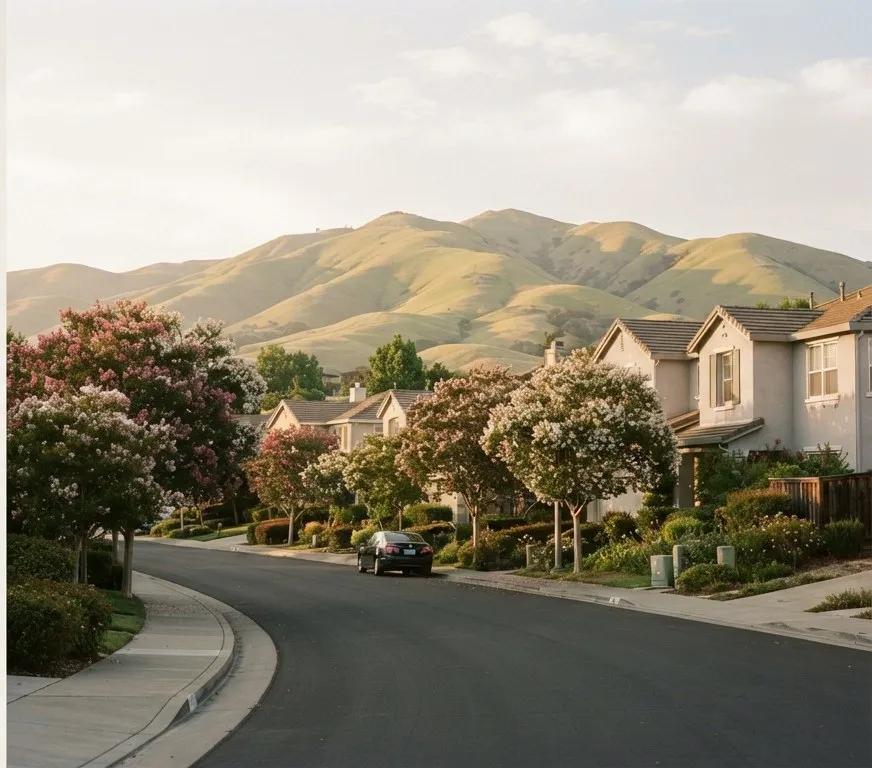
San Jose Appliance Care handles calls for appliance repair in Fremont. When a refrigerator, washer, dryer, dishwasher, oven or cooktop quits, we connect you with an independent repair company that works in ZIP codes 94538 and 94539. Fremont is the one city on our list that sits in Alameda County rather than Santa Clara County. That changes more than the county name. Your water comes from a different district, your electricity is bought by a different agency, and a different hauler takes away the old machine if it can’t be saved.
This page covers what those local differences mean when something breaks, and what to tell the repair company so the first visit is a useful one.
Fremont runs on Alameda County utilities
Most of the South Bay cities around San Jose share utilities. Fremont doesn’t, and it helps to know who’s who before you start troubleshooting.
- Water: the Alameda County Water District (ACWD) serves Fremont, Newark and Union City from four sources: treated water imported through the South Bay Aqueduct, purchased San Francisco water from Hetch Hetchy and the local Alameda Creek reservoirs, local groundwater from the Niles Cone basin, and desalinated brackish groundwater from the Newark Desalination Facility.
- Electricity: Ava Community Energy (formerly East Bay Community Energy) is Fremont’s default electricity provider; the city is a founding member and has received Ava generation service since 2018. Ava generates the power; PG&E delivers it and bills both charges on one statement.
- Bulky pickup: Republic Services of Alameda County, not the South Bay haulers your friends in San Jose use.
Why this matters for a dead appliance: if the whole kitchen is dark, that’s an outage, and outages are PG&E’s job even though Ava’s name is on your bill. If one appliance is dead and the lights work, check the breaker and the outlet (plug a lamp into it) before you book a repair visit. That two-minute test can save you a service call.
Which Fremont water reaches your kitchen?
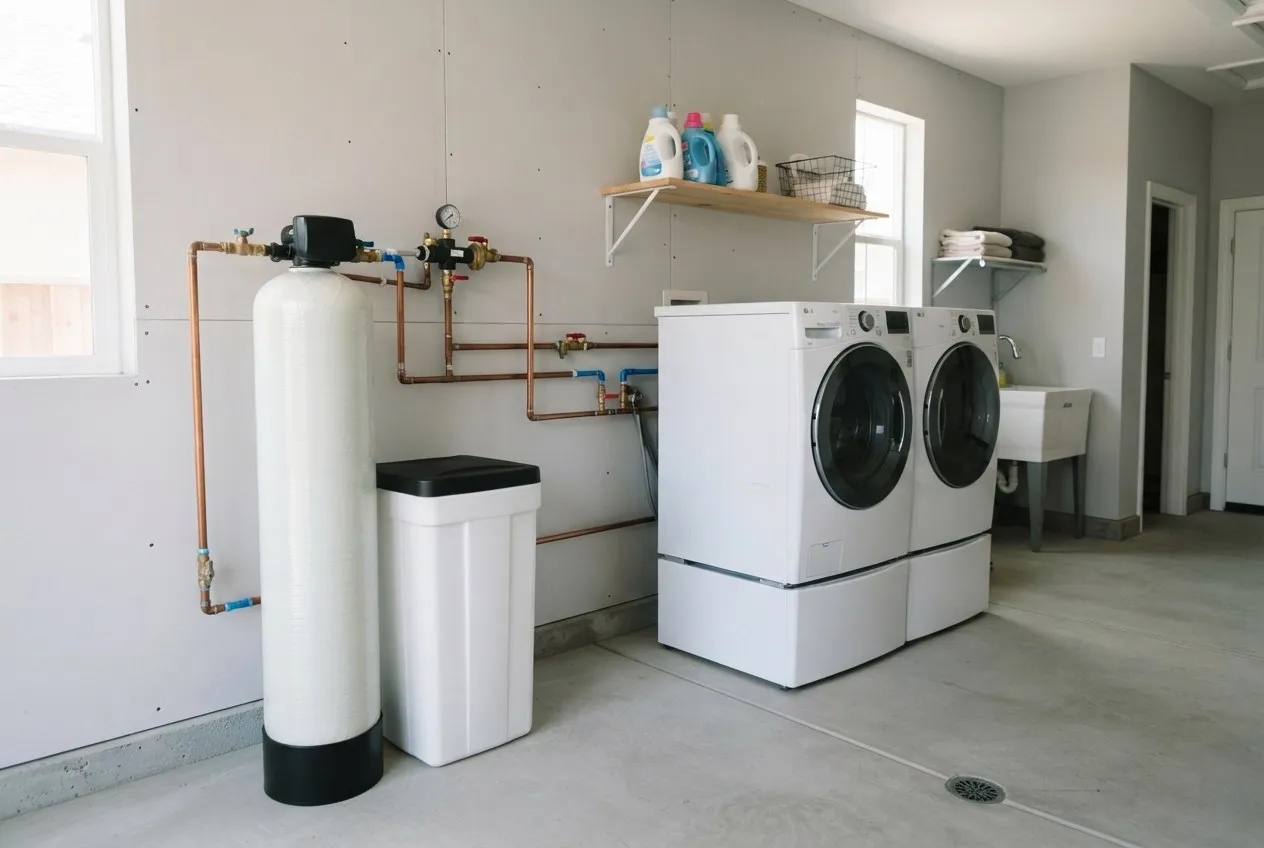
ACWD doesn’t send the same water to every street. Its 2025 Water Quality Report splits delivery by area, and hardness varies a lot between them. ACWD reports hardness in parts per million; divide by 17.1 to get grains per gallon, the unit most dishwasher and softener settings use.
| Where you live | Main source | 2025 average hardness |
|---|---|---|
| Central and south Fremont | Treated surface water (South Bay Aqueduct, Lake Del Valle) | 96 ppm, about 5.6 grains per gallon |
| North Fremont (also Union City, parts of Newark) | Blended: San Francisco water mixed with Niles Cone well water | 138 ppm, about 8.1 grains per gallon |
| In and around Newark | Desalinated groundwater blended with well water | 62 ppm, about 3.6 grains per gallon |
Purchased San Francisco water on its own averaged 40 ppm, and it can reach extra parts of Fremont during peak summer demand or emergencies, so readings shift during the year.
What you do with this: ACWD notes that hard water weakens soap and leaves spots on dishes, and that the white crust in kettles and around faucets is calcium carbonate. If you’re in north Fremont and your dishwasher leaves a chalky film, raise the hardness setting in the dishwasher menu and check the rinse aid before assuming the machine has failed. ACWD suggests white vinegar for that crust on pots and fixtures. If the film persists after that, or you see water pooling in the tub, that’s a repair call. Tell the technician which part of Fremont you’re in so they can weigh mineral buildup against a failed part.
Homes from the 1970s and 1980s: what that means for a repair visit
Census figures put about 45% of Fremont’s housing units in buildings from 1970 to 1989 (22.8% from the 1970s, 22.4% from the 1980s), with another 30% older than that. Fremont itself dates from 1956, when Centerville, Irvington, Mission San Jose, Niles and Warm Springs incorporated as one city, and most of the housing came in the decades after.
So a lot of Fremont kitchens are original layouts that have had their appliances swapped once or twice. A few practical consequences:
- Built-in openings were cut for older appliances. If your dishwasher or wall oven is the second or third one in that opening, the company may need the exact model number to confirm a replacement part fits, and if the repair turns into a replacement, measure the cutout before shopping.
- Supply lines and valves age. A refrigerator ice maker or a washer on the original shutoff valve can leak at the valve, not the appliance. Say where the water is coming from when you call.
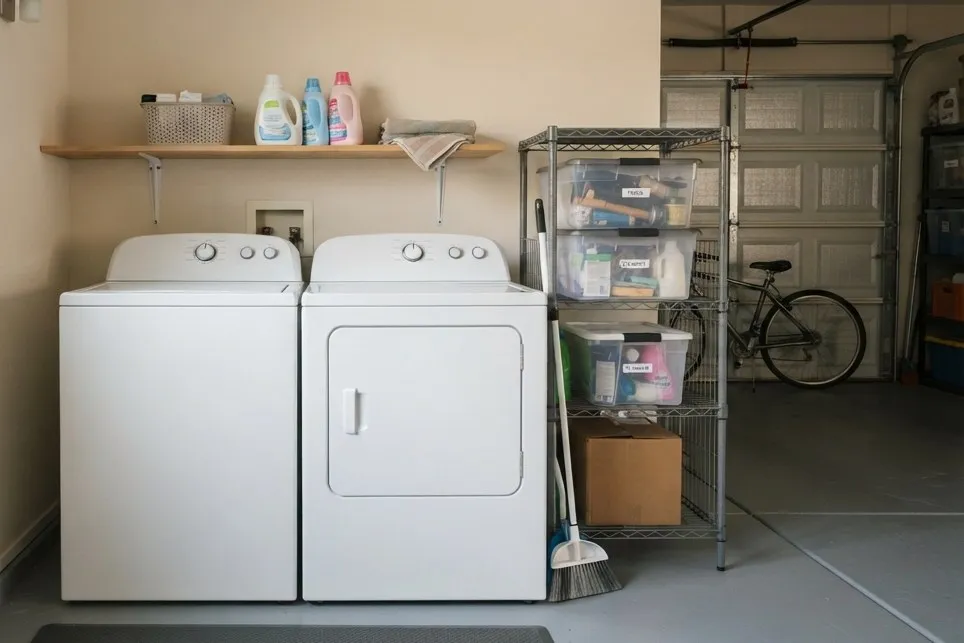
- About 70% of units are single-family houses, detached or attached, so laundry could be in a garage, a hall closet or a utility room. Say where the washer or dryer sits and how much room there is to pull it out, because stacked or closet installs take longer to reach.
Describe the problem, get the right company
The quickest route to a useful visit is a specific description. Here are common failures by appliance, each with the service page that goes deeper:
Cooling trouble. A fridge that runs but won’t get cold, a freezer building frost, or a warm fresh-food section. See refrigerator and freezer repair, and if only the ice has stopped, ice maker repair.
Laundry that won’t finish. A washer that won’t drain or spin, or a dryer that runs cold. Give the brand and whether it’s gas or electric; the dryer repair page covers what a technician checks first.
Dishwashers that leave dishes dirty or wet. In north Fremont, rule out hardness first, as above. Then see dishwasher repair.
Cooking appliances. Ovens that won’t heat, igniters that click, burners that won’t light. See oven, range and stove repair.
Not sure whether the fix is worth it on an older unit? Our repair or replace guide walks through age, part cost and efficiency.
Before you replace: Fremont’s free bulky pickup
If the repair company tells you the appliance isn’t worth fixing, Fremont residents get two free curbside bulky collections a year through Republic Services, by appointment. The rules, from Republic’s Fremont clean-up guidelines:
- Call at least two weeks before the date you want.
- Each set-out can include two appliances or large items, none over 150 pounds.
- Group everything within a 6 x 6 x 6 foot area in the street, next to the curb, not on the sidewalk or driveway.
- Put items out no more than 24 hours ahead, and by 5:45 a.m. on collection day.
- Commercial refrigerators aren’t accepted.
Two free pickups a year go quickly in a remodel, so if you’re replacing a range and a dishwasher together, book both into one appointment.
Where in Fremont we connect callers
Calls are taken from both Fremont ZIP codes on our coverage list, 94538 and 94539, across the city’s five historic districts: Centerville, Irvington, Mission San Jose, Niles and Warm Springs. Tell us the ZIP when you call so we can match you with a company that already works in your part of town.
Fremont borders Milpitas to the south, and callers there have a different water setup entirely; see appliance repair in Milpitas. For San Jose and the rest of the South Bay, start at our San Jose appliance repair page.
When you’re ready, call with the brand, model number and ZIP, and we’ll put you through to a Fremont-area repair company.