A washer throwing an error in a fourth-floor condo near the Milpitas BART station is a different job from a gas dryer that won’t heat in a 1970s house off Calaveras Boulevard. San Jose Appliance Care connects callers with independent local companies for appliance repair in Milpitas, ZIP code 95035: refrigerators, washers, dryers, dishwashers, ovens, cooktops and garbage disposals. The more you tell us about the building and the appliance, the better the match.
Milpitas has two quirks worth knowing before you call. The city’s water comes from two different suppliers depending on which side of the freeway you’re on, and a large share of its homes are newer multi-unit buildings, which changes how a repair visit works.
East or west of the freeway: two different waters
The City of Milpitas buys treated water from two wholesalers, the San Francisco Public Utilities Commission (SFPUC, mostly Hetch Hetchy water from the Sierra Nevada) and Valley Water (mostly Delta water through the South Bay Aqueduct). According to the city’s 2024 Consumer Confidence Report, it divides Milpitas into SFPUC and Valley Water service areas and doesn’t blend them under normal operation.
| Service area (city’s 2024 map) | Supplier | 2024 average hardness |
|---|---|---|
| South of Calaveras Blvd and east of I-680; north of Calaveras and east of I-880 | SFPUC | 57 ppm (about 3.3 grains per gallon) |
| West of I-880; south of Calaveras and west of I-680 | Valley Water | 110.5 ppm (about 6.5 grains per gallon) |
On the city’s own hardness scale, SFPUC water rates as slightly hard and Valley Water as moderately hard, close to the “hard” line at 120 ppm. The SFPUC readings also vary widely, from 8.4 to 106 ppm, because that supply combines Hetch Hetchy water with water from local Alameda watershed reservoirs treated at Sunol.
Here’s where it matters for appliances. A dishwasher or washing machine with a water-hardness setting should be set for your supply, not left on the factory default. Two neighbors with the same dishwasher model can get different results if one is on SFPUC water and the other on Valley Water. The city’s report also lists what softening does: less soap, longer water heater life and less crust inside pipes, against more sodium and more upkeep. If spots, film or scale keep coming back after you’ve adjusted settings, say which supply you’re on when you call.
Slow fills: check the water pressure first
A washer that takes forever to fill, a dishwasher that stops partway with a fill error, or an ice maker turning out undersized cubes all share one suspect: the water reaching them. The city’s report notes that Milpitas homes can see anywhere from 40 to 140 psi depending on location, and that a sudden drop can come from clogged strainers or a pressure regulator that isn’t working properly.
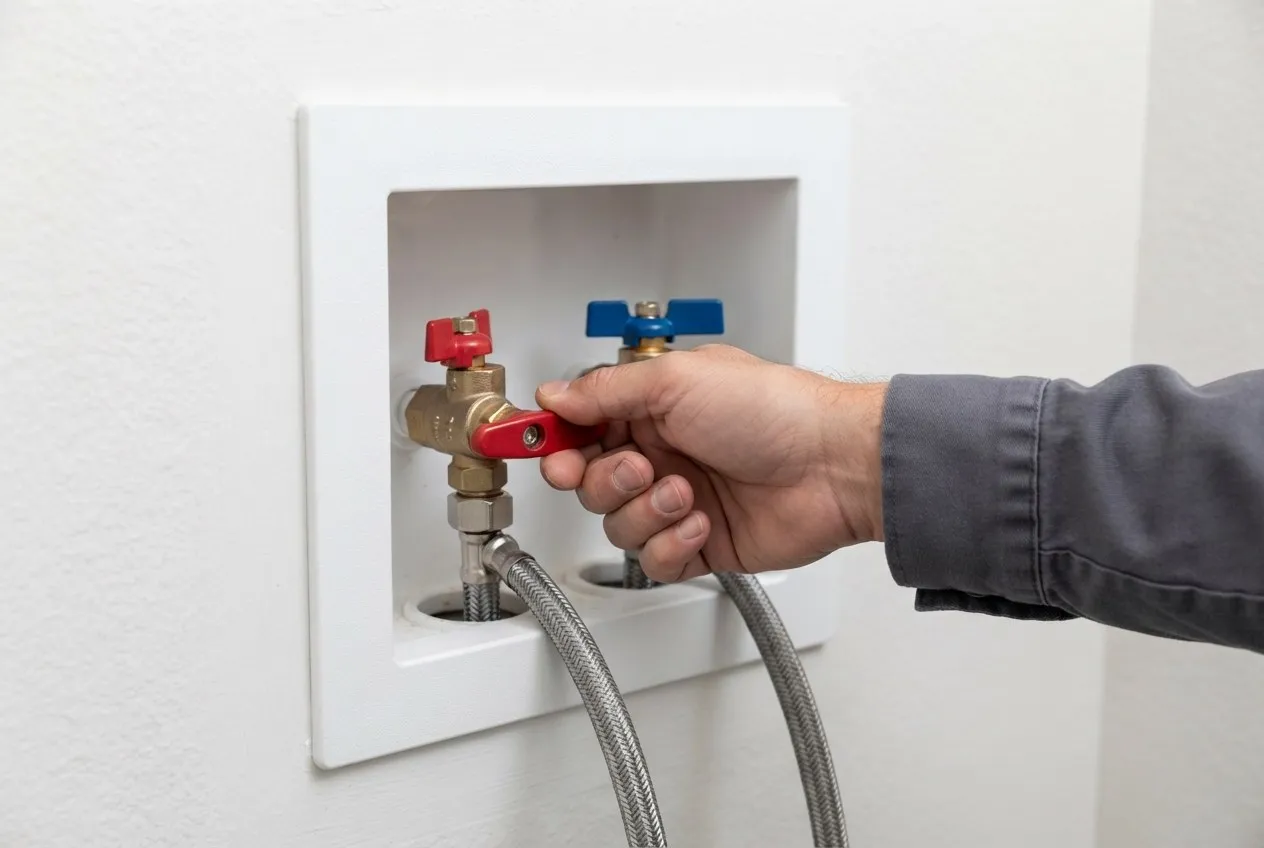
Before booking, check whether the kitchen and bathroom taps also run weak. If they do, the problem is upstream of the appliance, and a sudden, house-wide drop is worth reporting to Milpitas Public Works. If only the appliance is slow, the inlet screen or water valve on the appliance itself is the likelier cause, and that’s a job for the repair company.
Newer condos and townhomes: repairs in shared buildings
About a quarter of Milpitas housing units were built in 2010 or later, far more than in older neighbors such as Cupertino or Los Gatos. Another 17.7% sit in buildings of 50 or more units, and 20% are attached single-family homes such as townhouses. Roughly 42% of households rent.
That profile shapes the repair visit:
- Find out who owns the appliance. In a rental, the landlord may need to arrange the repair. In a condo, your HOA documents say whether in-unit appliances are yours. Sort this out before booking, so you’re not paying for a call someone else should have made.
- Stacked and closet laundry. If your washer and dryer are stacked or tucked into a closet, say so. The technician may have to unstack them or pull them out to reach the fault, and that affects how long the visit runs.
- Access and parking. Gated garages, elevator reservations and visitor parking can eat into a visit. Mention them when you call and pass along any gate code or loading instructions to the company.
- Warranty first. A building finished in the last few years may have appliances still under manufacturer warranty. Find the purchase or closing paperwork before paying for a private repair.
Houses make up the rest of the city. About 40% of units date from before 1980, so a Milpitas house can easily have its third or fourth dishwasher in the original opening.
What’s wrong with it?
Match the symptom to the right service and the company arrives better prepared:
- A refrigerator that runs warm or a freezer icing up: fridge and freezer repair
- A washer that stops mid-cycle, won’t drain or shakes hard on spin: washer repair
- A dishwasher that leaves grit or standing water: dishwasher repair
- A disposal that hums but won’t turn: garbage disposal repair
- A burner that won’t light or an oven that won’t hold temperature: stove and oven repair
If the display shows a code, write it down exactly. Our error code library lists codes from manufacturer sources, which helps you describe the fault.
Checking a repair company before it arrives
California’s Bureau of Household Goods and Services (BHGS) registers electronic and appliance repair dealers. Its license search shows whether a registration is current, delinquent, suspended or revoked. Ask the company for its registration number and look it up; it takes a minute.
On the phone, ask how the diagnostic fee works and whether it’s credited toward the repair, ask for the estimate in writing before work starts, and ask about the warranty on parts and labor. Answers differ between companies, and it’s better to hear them before the technician is in your kitchen.
Old appliance out: Milpitas Sanitation’s rules
If the answer is replacement, single-family homes served by Milpitas Sanitation get four free bulky item cleanups in any rolling 12 months, at least eight weeks apart. Appliances are accepted, but refrigerator and freezer doors must be removed or taped shut, and items must be at the curb by 6 a.m. on collection day.
Apartments and condos are handled differently. Multi-family residents can book a bulky pickup, but it comes with a prepaid fee. If your new appliance comes from a retailer, ask whether haul-away of the old unit is part of the delivery.
Where we take calls in Milpitas
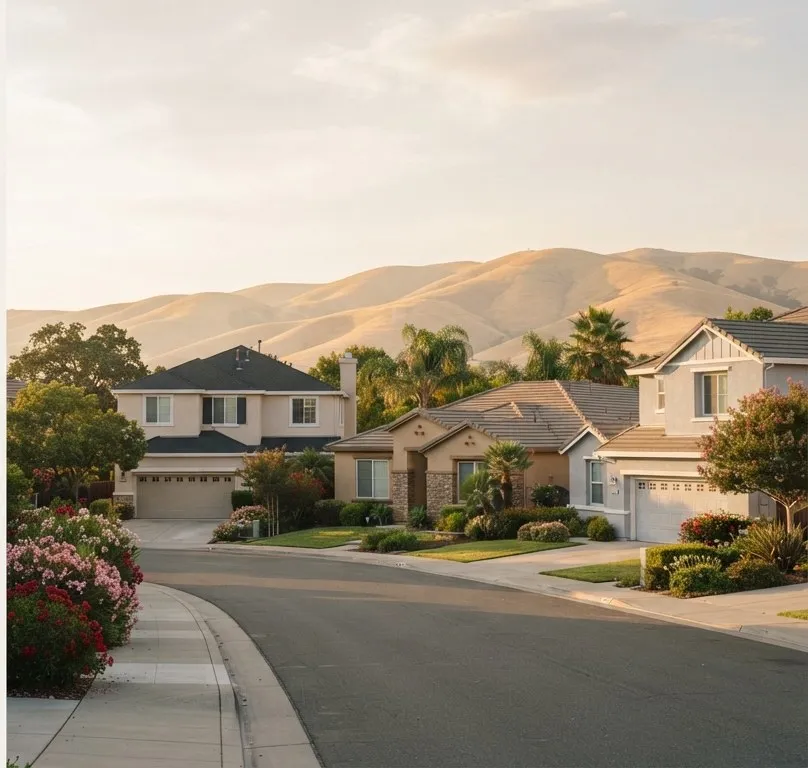
Milpitas is one ZIP code, 95035, covering about 13.6 square miles laid out around I-880, I-680 and State Route 237, with grassy foothills and Mount Hamilton to the east. It’s been a Santa Clara County city since 1954 and gets its electricity from Silicon Valley Clean Energy, with PG&E handling delivery and outages.
North of Milpitas, Fremont is in Alameda County with a different water district and hauler; see appliance repair in Fremont. To the southwest, Santa Clara appliance repair covers that city’s own utility setup, and the rest of the valley starts at our San Jose page.
Call with the appliance, the model number and the type of home (house, townhome or condo), and we’ll connect you with a Milpitas-area repair company.