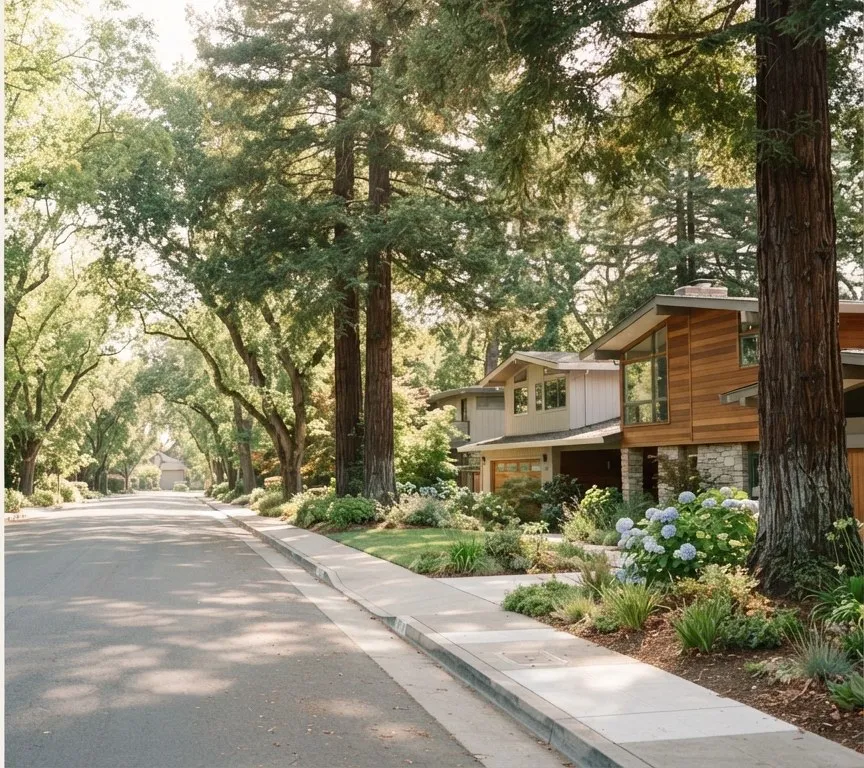
Most Mountain View households rent. Census estimates for 2020-2024 put owner-occupied homes at about 39%, lower than in Sunnyvale, Santa Clara or Palo Alto, and nearly half of all housing units sit in buildings with five or more apartments. So appliance repair in Mountain View often starts with a question the homeowner never has to ask: who’s supposed to fix this?
San Jose Appliance Care answers calls from 94040, 94041 and 94043 and connects you with an independent local repair company for refrigerators, freezers, washers, dryers, dishwashers, ice makers, ovens, ranges and cooktops. This page covers the Mountain View details that affect a repair: renter rights under the city’s rent law, the city’s soft water, its 1950s flat-roof tracts and its newest electric-ready buildings.
Renting? Sorting out who pays for the repair
If the landlord supplied the appliance, start with the landlord or property manager. Put the request in writing, with the date the problem started and what the appliance is doing. Many managers have a repair company they already use, and some want tenants to book the visit and forward the invoice. Ask before you call anyone, so you don’t end up paying for a visit you expected the owner to cover.
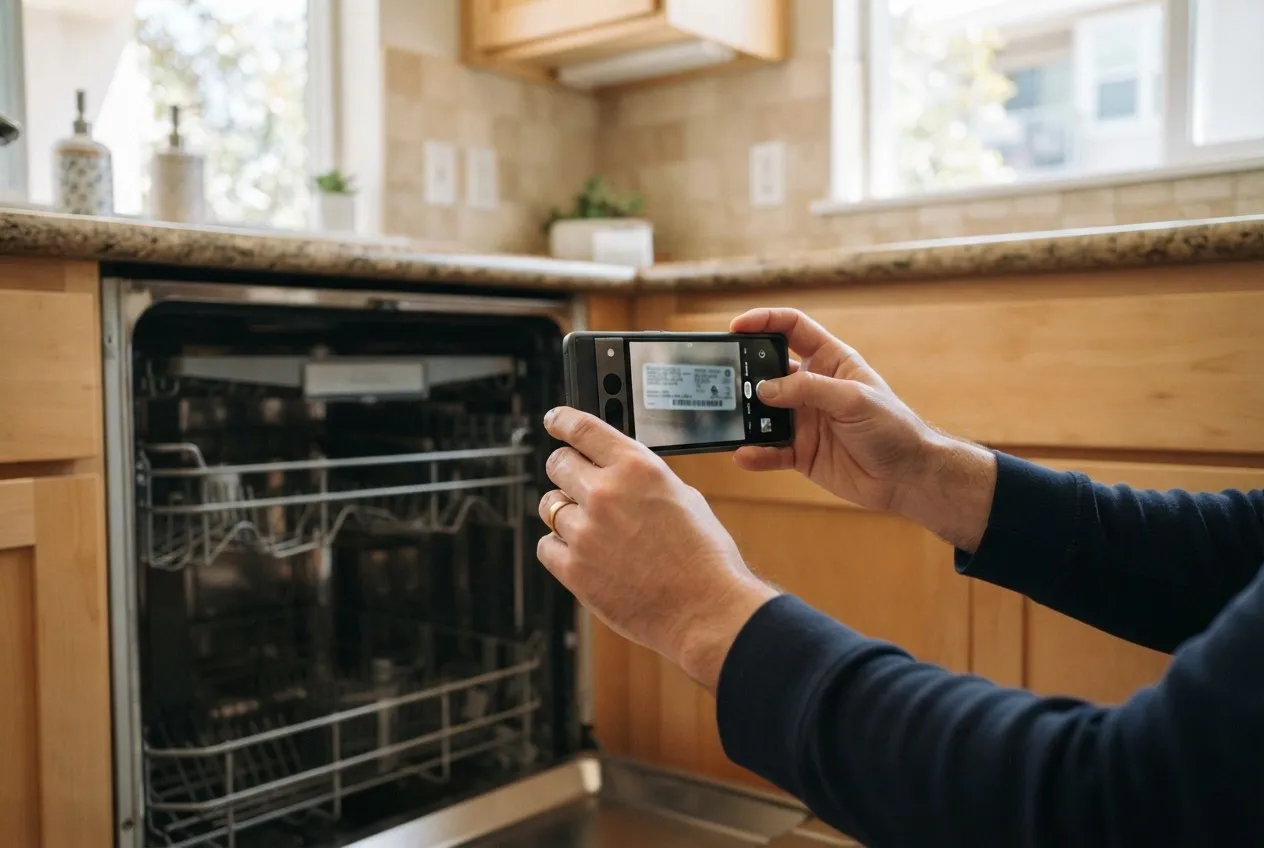
Mountain View has its own rent law, the Community Stabilization and Fair Rent Act (CSFRA). Tenants in fully covered units can petition the city’s Rent Stabilization Division for a downward rent adjustment when a landlord fails to maintain the unit in line with health, safety or building codes, or reduces housing services. Under the CSFRA, a cut in housing services or maintenance without a matching cut in rent counts as a rent increase. The petition goes to a hearing officer, so keep copies of your repair requests and any replies. The Rent Stabilization Division can tell you whether your unit is fully covered.
If you own a condo, check your HOA rules first. Some buildings limit work hours or require a certificate of insurance from contractors before they’ll let a technician in, so ask the repair company to have one ready.
Mountain View’s soft water changes the diagnosis
Mountain View buys about 88% of its drinking water from the San Francisco Public Utilities Commission, which comes mostly from Hetch Hetchy. About 10% comes from Valley Water and 2% from city wells, blended with the SFPUC supply. The city describes the result as soft to moderately hard and says water softeners are generally unnecessary.
That’s useful when a water-using appliance misbehaves, because the usual hard-water explanation is less likely here:
- Dishwasher film or cloudy glasses. Scale is a weaker suspect. Check the detergent dose first; many detergent labels call for a smaller dose in soft water, and excess detergent can leave its own film. Then check the rinse aid, the filter at the bottom of the tub and whether hot water reaches the kitchen tap quickly. If the tub won’t fill, drain or heat, book dishwasher repair.
- Front-load washer suds or odor. Overdosing detergent in soft water can also cause heavy suds and residue. Use the dose marked for soft water and run a cleaning cycle before calling washer repair.
- Ice maker slowdowns. With little scale to blame, a slow ice maker points first to a spent water filter, a frozen fill tube or the inlet valve. Ice maker repair covers the usual checks.
The city’s water FAQ gives a handy conversion if your dishwasher asks for hardness in grains: 17.1 mg/L of calcium carbonate equals one grain per gallon.
Monta Loma’s flat-tops and other 1950s homes
About 60% of Mountain View’s housing was built before 1980. Some of it is well documented. The Monta Loma Neighborhood Association’s history says Joseph Eichler built over 200 homes there in 1954 in a tract called Fairview, mostly three-bedroom, two-bath houses of 1,116 square feet with radiant heat through steel pipes. John Mackay followed in 1955 and 1956 with over 200 more flat-roofed houses of 1,104 to 1,389 square feet, offered with wall furnaces or forced-air heat.
Small 1950s kitchens and laundry areas shape an appliance visit. Space for a range or refrigerator is often tight, so measure the opening before you replace anything and mention a tight fit when you call. In a slab-floor house, a leak under a dishwasher or refrigerator shows up fast on the floor, so shut off the appliance’s supply valve and wipe the area dry. That lets the technician see whether the water is coming from the appliance, its hose or the drain connection.
Newer buildings wired for electric
About 17% of Mountain View’s housing dates from 2010 or later, a larger share than in Sunnyvale or Palo Alto. The city suspended its ban on gas appliances in new buildings in 2024 after a federal court ruling. In October 2024 the City Council added electrical prewiring requirements for new homes and commercial buildings, and for buildings going through major renovations, according to the Mountain View Voice.
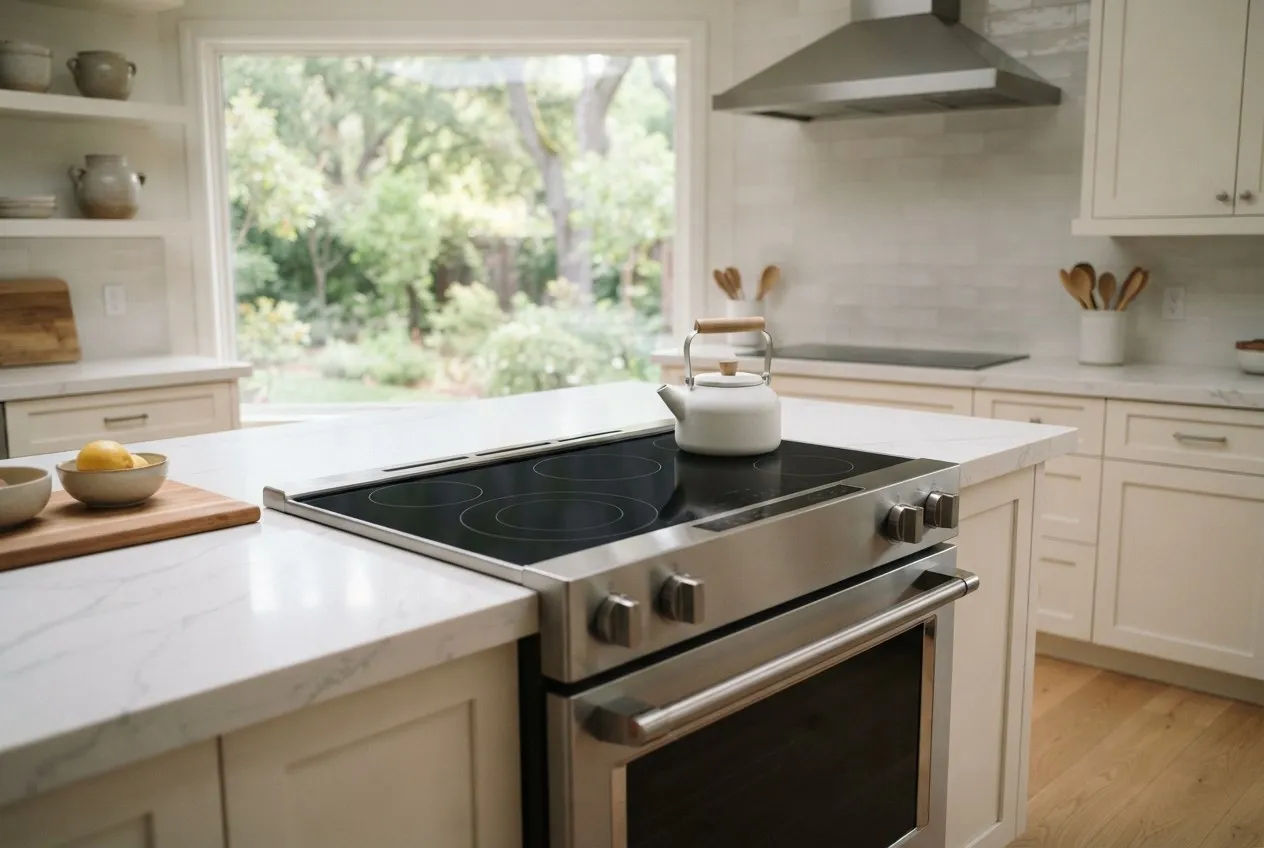
Most homes still use gas somewhere. Census estimates show about 57% of Mountain View households heat with utility gas and about 40% with electricity, so both gas and 240-volt electric ranges and dryers turn up on repair calls. When an electric dryer tumbles without heat, sometimes only one leg of its 240-volt breaker has tripped; switch that breaker fully off, then on again, before booking a visit.
For you, the prewiring rule means a newer or heavily remodeled home may already have the wiring to swap a failed gas range or dryer for an electric model. Ask the repair company or an electrician to confirm what’s behind the appliance before you decide between repairing gas and switching.
Replacing a gas range? Check the SVCE rebate
Mountain View is in the Silicon Valley Clean Energy service area, with PG&E delivering the power. If a gas range or cooktop needs an expensive repair, SVCE lists a $500 rebate for an induction cooktop or range that replaces gas equipment, or $750 for income-qualified households. A panel upgrade rebate of $1,000 is also listed. The rebates apply to existing single-family homes, ADUs and buildings with four or fewer units. Compare those numbers with the quote using our repair or replace guide, and see oven, range and stove repair for common gas range faults.
Two free ways to get rid of a dead appliance
Recology’s On Call Plus service lets single-family homes book up to two curbside pickups a year at no extra charge, with up to three bulky items per pickup, including washing machines and dryers. Buildings with nine or more units get two collection events a year instead. The Mountain View Recycling Center also takes household appliances at no charge from Mountain View residents, by appointment.
Mountain View ZIPs and the cities next door
We take calls from 94040, 94041 and 94043. Mountain View borders Palo Alto to the northwest and Sunnyvale to the southeast. The Palo Alto page covers that city’s own gas, water and electric utility, and appliance repair in Sunnyvale covers its three water zones.
Call with your ZIP, the brand, and whether you rent or own.