
Santa Clara runs its own electric utility, pumps most of its own water and charges for bulky pickup, and each of those facts shapes what happens when an appliance breaks. For appliance repair in Santa Clara, San Jose Appliance Care matches your call to a local repair business that covers 95050, 95051 or 95054 and works on the appliance in front of you: a refrigerator or freezer, a washer, a dryer, a dishwasher, an ice maker, or a range, oven or cooktop.
Silicon Valley Power, PG&E and who handles what
In San Jose, Sunnyvale and Mountain View, PG&E delivers both electricity and gas. Santa Clara splits them. Silicon Valley Power (SVP) is the city-owned electric utility and bills electricity on the City of Santa Clara utility statement, while PG&E supplies natural gas.
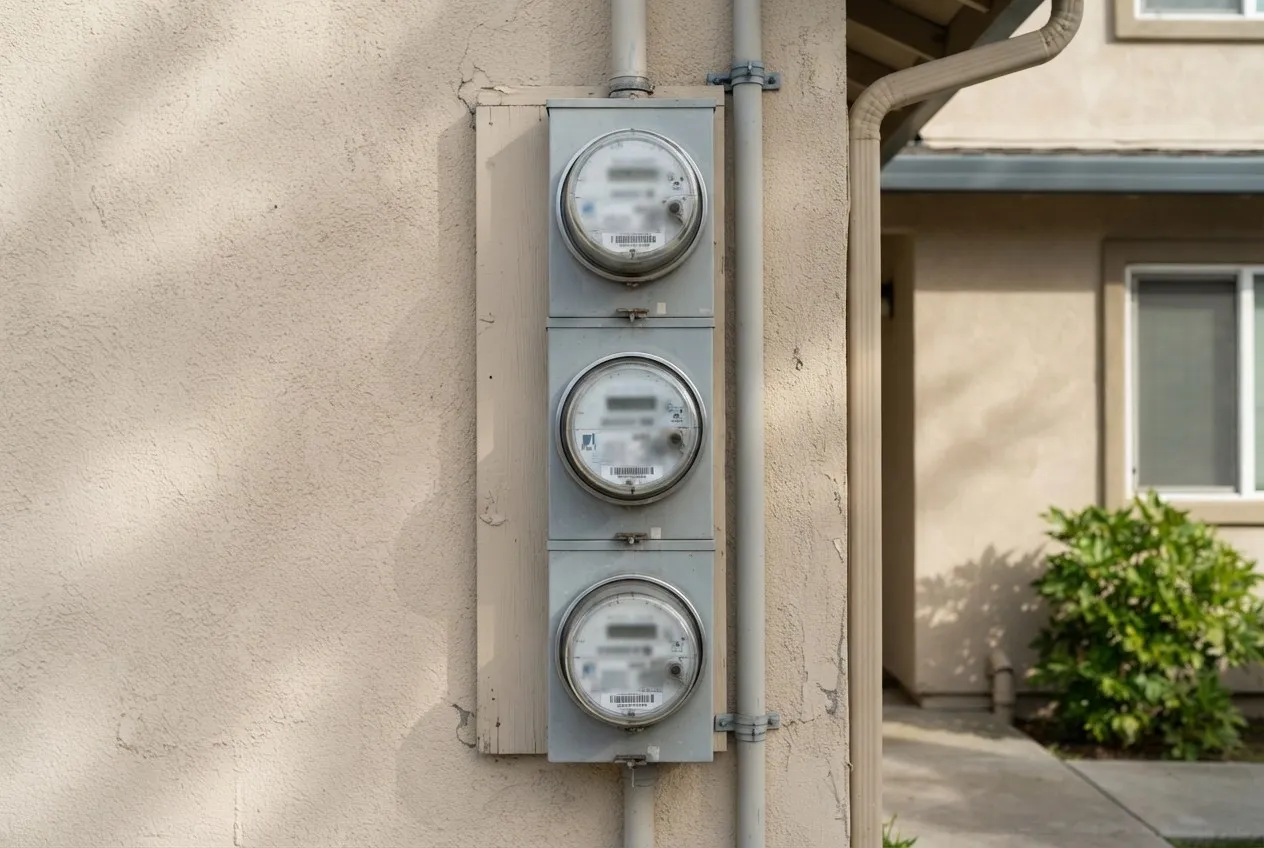
That split tells you where to turn when an appliance stops:
- The whole house or street lost power. That’s SVP. Its website has an outage map and alerts.
- One appliance is dead, the lights work. Check the appliance’s breaker, the outlet (plug in a lamp) and any GFCI outlet nearby. If power is reaching it, the problem is in the appliance.
- You smell gas near a range, oven or dryer. PG&E’s guidance is to leave the area first, then call 911 and PG&E from a safe distance. Don’t flip switches or use anything that could spark until you’re away from the building. A repair company can fix a gas appliance after the leak is dealt with, not before.
About 53% of Santa Clara households heat with utility gas, according to 2020-2024 census estimates, so gas ranges and dryers are common. Another 43% heat with electricity, which usually means an electric dryer and range on 240-volt circuits.
Why cheap electricity changes the fix-or-replace math
Repair companies and retailers often argue that a new, efficient appliance pays for itself in lower bills. In Santa Clara that argument is weaker. San José Spotlight’s December 2025 fact check found SVP’s residential rate at $0.182 per kilowatt-hour, against $0.48974 for PG&E time-of-use peak hours in San Jose. For a household using 411 kWh a month, that worked out to roughly $75 on SVP and about $201 on PG&E peak pricing.
At SVP rates, the electricity an older refrigerator or freezer wastes costs far less than it would a few miles away. So for a Santa Clara home, the repair-or-replace question comes down mostly to the repair price, the unit’s age and how often it has failed. Energy savings play a smaller part. A fridge that needs a fan motor or a defrost part is often worth fixing here even when the same unit might be retired in a PG&E home. Our repair or replace guide and the appliance repair cost guide lay out the age and price thresholds to weigh.
North or south of US 101: which water reaches you
Santa Clara’s water utility has served the city since 1895 and still leans heavily on its own wells. In 2020, the city’s 21 active production wells supplied about 59% of its drinking water. Valley Water treated water made up about 22% and SFPUC water from Hetch Hetchy about 19%, according to the city’s 2020 Urban Water Management Plan.
Where you live decides the mix. The area north of the Bayshore Freeway (US 101) is served primarily by SFPUC water, since it has only one operating well. South of 101, homes get a blend of city well water and Valley Water treated water, with SFPUC water added as needed. The plan notes that these boundaries shift with supply and demand.
Why it matters: Valley Water says groundwater in the county averages over 250 mg/L of hardness, while its treated surface water averages under 120 mg/L. A home south of 101 drawing mostly well water will see more scale than one in the north. Hard water scale shows up as:
- a chalky film on dishes and a dishwasher that won’t fill or heat properly, which calls for dishwasher repair once cleaning cycles fail;
- slow or stopped ice production from a scaled inlet valve;
- washers that fill slowly because the inlet screens are packed with grit.
If you’re south of 101 and the dishwasher keeps leaving film, set its hardness setting to the top of the range before you book. Softeners are an option, though Valley Water notes they can raise the sodium content of your water.
Apartments, condos and rented kitchens
Santa Clara has a large rental market. Census estimates for 2020-2024 show about 45% of housing units in buildings with five or more units, and about 41% of homes are owner-occupied. The median home was built in 1974, and about 15% of units date from 2010 or later.
In practice that means many appliance calls come from renters and from condo laundry closets:
- Renters: tell your landlord or property manager before booking. Many prefer to choose the company and pay the invoice.
- Stacked laundry: stacked washer-dryer units need the dryer lifted off for some repairs. Clear the space around them before the visit.
- Shared building laundry is usually on a service contract; report it to the manager instead.
Replacing instead? SVP rebates for electric appliances
If the repair isn’t worth it, SVP customers can get money back on some electric replacements. SVP’s residential rebates cover heat pump water heaters, induction cooking, heat pump clothes dryers and electrical upgrades. For laundry, replacing a gas dryer with a heat pump dryer can earn up to $250, with an income-qualified bonus of up to $100. Rebates up to $600 show up as a one-time credit on the SVP portion of the city utility bill, and checks are issued only for larger amounts. Check the current program rules before you buy, since eligibility depends on the model.
Hauling away the old appliance costs money here
Some neighboring cities include free bulky pickups in trash service. Santa Clara’s on-call bulky item collection through Mission Trail Waste Systems, for single-family homes and townhomes, is listed at $197.52 per service, subject to an increase on July 1, 2027. Add that to the replacement column when you compare a repair quote with a new unit.
Details that help the first visit go well
Santa Clara’s mix of utilities and housing means a few extra details help a repair company prepare:
- Gas or electric. Say whether the range or dryer runs on gas. Gas units need a technician who works on burners and igniters, and a PG&E issue may need sorting first.
- Your side of 101. For a dishwasher, ice maker or washer with fill or film problems, mention whether you’re north or south of the freeway. It hints at how hard your water is.
- Built-in or freestanding. Built-in refrigerators and panel-ready dishwashers take more time to reach.
- Brand and model number. Brand support and parts differ, so the right company depends on it. A code on the display is worth writing down too; the error code library explains many of them.
Santa Clara ZIPs and next-door cities
We take calls from 95050, 95051 and 95054. Santa Clara shares borders with San Jose, Sunnyvale and Cupertino, and the utilities change at those lines. The Sunnyvale appliance repair page covers that city’s three water zones, the Cupertino page covers the city to the southwest, and our San Jose appliance repair homepage covers the largest city in the county.
Have the ZIP, brand and model number ready when you call.