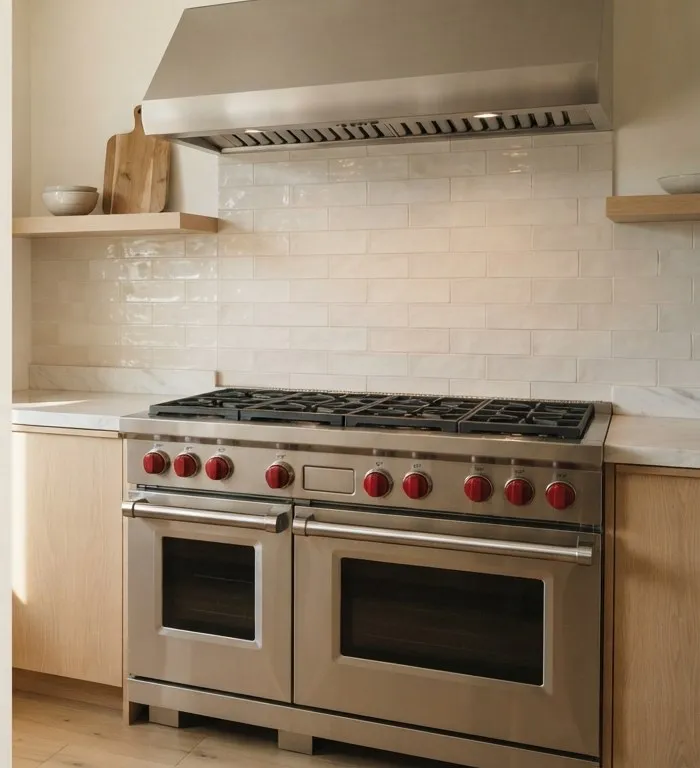
The sound usually gives it away: a Wolf burner that keeps ticking after the flame is lit, or one that ticks and never catches. Wolf ranges, rangetops, wall ovens and steam ovens are built to be repaired, and Wolf’s own support pages name the parts behind the common symptoms. San Jose Appliance Care puts Wolf owners in touch with local companies that handle Wolf appliance repair in San Jose, Los Gatos, Sunnyvale and the rest of the valley. Give us the product type, the model if you have it, and the symptom. We’ll connect you with a company that works on Wolf, and you can ask them whether they’re factory certified if that matters for your situation.
Why a Wolf burner keeps clicking
Clicking after ignition, or sparking when the knob is off, has a few causes Wolf lists in its own support answers. Work through the easy ones first.
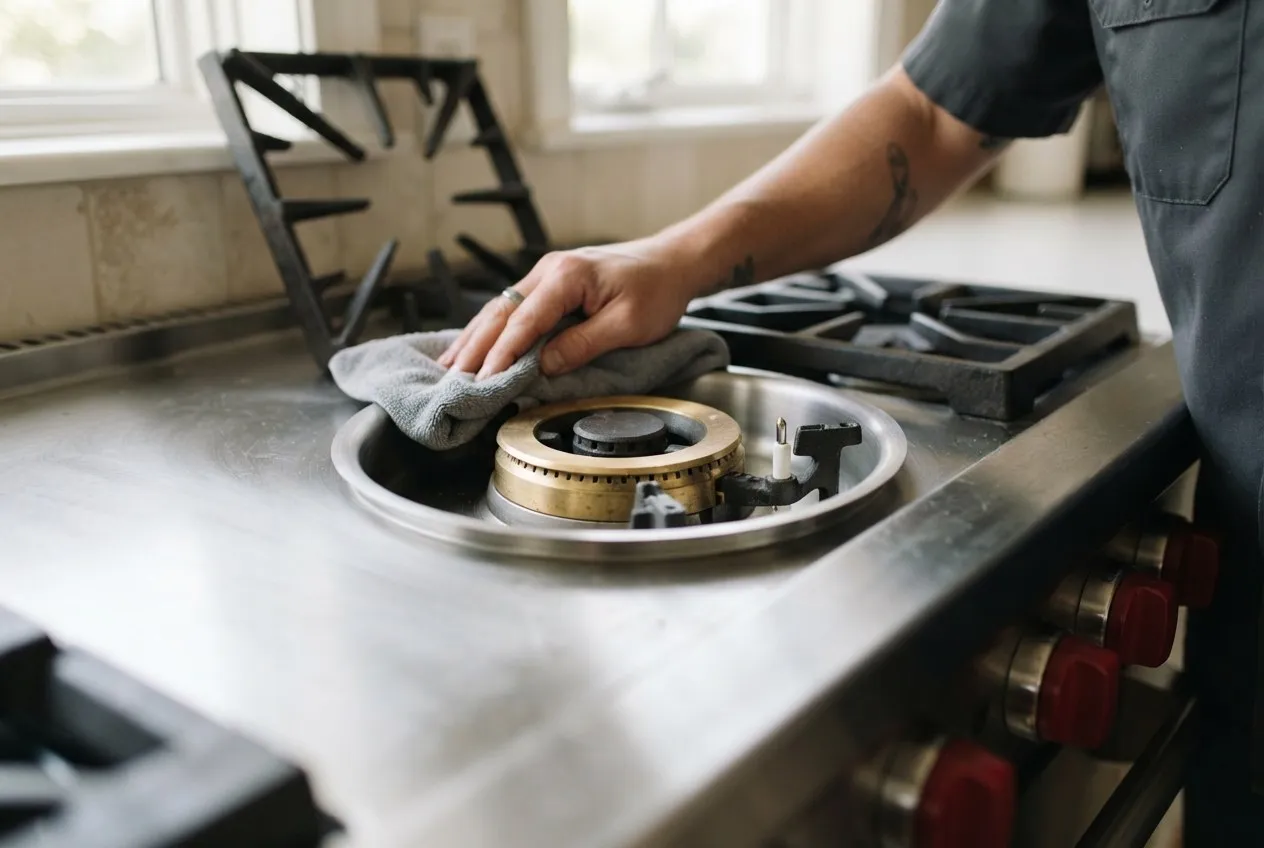
- Moisture. A burner that got wet during cleaning or a boil-over will spark until it dries. Wolf suggests a hair dryer on low to speed it up.
- Caps and rings. A dirty or misaligned cap disturbs the flame. Wolf recommends cleaning the caps and rings and clearing the ports with a toothpick; the igniter itself can be brushed gently with a soft, dry toothbrush.
- Pan size. An oversized pot can starve the burner of oxygen, so the flame lifts and the igniter keeps firing. If the clicking stops on a low setting, the pan is the issue.
- Airflow. Wolf advises running the ventilation hood, and turning it on five minutes before using a charbroiler.
If the clicking continues after all that, Wolf points to the spark module, a burner switch, the electrode or igniter, or reversed polarity at the outlet. Those are technician jobs.
When the burner won’t light at all
A burner that doesn’t click needs power before anything else, because Wolf’s igniters are electric. Wolf’s steps are to switch the power off for at least 30 seconds, restore it and retest. On a new installation, confirm the unit is running on the correct gas type. Burners that light with a match but not on their own point back to the ignition parts.
A burner that sparks but won’t catch after sitting unused may just need time. Wolf notes that it can take a moment to purge air from the lines, and recommends turning the knob off after 10 seconds without a flame, waiting a minute, and trying again.
Wolf oven and steam oven codes
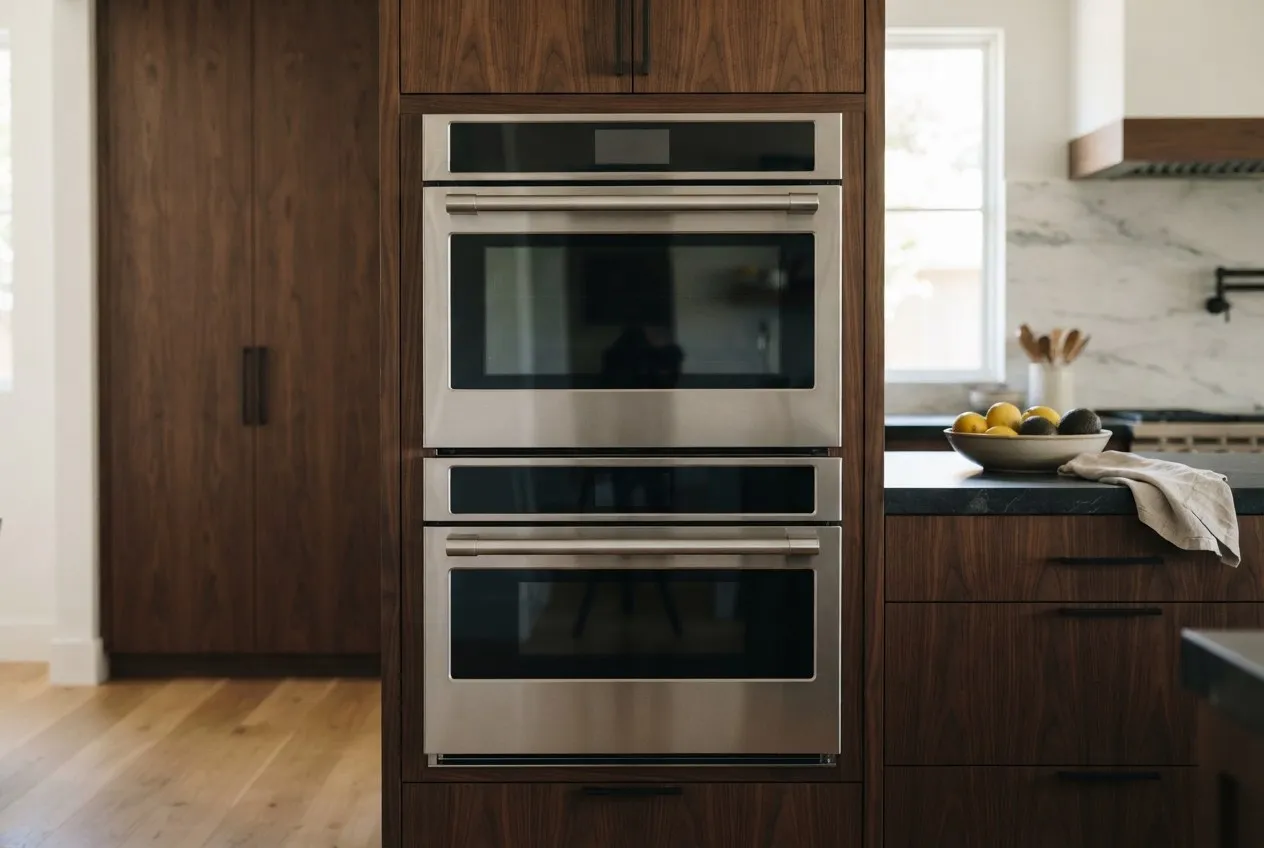
Wolf’s error codes are model-specific, so the product line matters as much as the code. These are the ones Wolf documents with owner steps:
| Product | Code | What Wolf says it means | Owner step |
|---|---|---|---|
| L Series wall oven | F1 | Door lock or unlock switches not sensed within 60 seconds; can follow a door slammed during heating | Reset the breaker, start a bake mode again |
| Convection steam oven (touch control) | E123 / F5 | Wolf doesn’t publish a cause for owners | Breaker off 30 seconds, then retest |
In both cases Wolf says that if the reset doesn’t clear it, service is necessary. Wolf’s support library covers E Series ovens, legacy dual fuel ranges and other lines separately, and codes from other brands are gathered in our appliance error code library.
How the Wolf warranty splits after year two
Wolf’s residential warranty runs from the date of original installation, in two parts.
For the first two years, Wolf covers all parts and labor on any part that’s defective in materials or workmanship, and the work must be done by Wolf Factory Certified Service. If a Factory Certified Installation company installed the unit, that full coverage is three years.
From installation through year five, a limited warranty covers a specific parts list: gas burners (not their appearance), electric heating elements, ventilation hood blower motors, electronic control boards, magnetron tubes and induction generators. Wolf supplies the part; the owner pays labor. The same parts-routing rule as Sub-Zero applies. With non-certified service, you contact Wolf to receive the part, and Wolf won’t reimburse parts bought from a non-certified company.
Notice what’s on that list. A failed control board on a four-year-old wall oven, or a dead induction generator, is exactly the kind of expensive part the five-year term covers. Igniters and spark modules aren’t named. Stainless doors, panels and handles have a 60-day cosmetic warranty, and hood recirculating filters aren’t covered.
Gas smell and other reasons to stop cooking
Some symptoms shouldn’t wait for an appointment. If you smell gas, PG&E’s instruction is to get everyone out to an upwind spot, avoid anything that could spark (phones, light switches, matches) until you’re at a safe distance, and call 911 and then PG&E. A range repair comes after the home is safe.
A burner that sparks with the knob off, a door that won’t unlock after self-clean, or a control panel that turns elements on by itself are also reasons to stop using the unit and book service rather than troubleshooting further. Our oven, range and stove repair page covers those symptoms across brands, and cooktop repair covers induction and gas cooktops.
What to ask before a technician opens a Wolf
Pro-style ranges are heavy and built into the counter line, so ask the right questions on the phone, not in the kitchen.
- Is the company Wolf factory certified? Under two years (or three with certified installation), that’s the route Wolf pays for.
- Does the quote separate parts from labor? In years three to five you’ll only pay labor on the covered parts.
- Is the business registered with California’s Bureau of Household Goods and Services? The bureau’s License Lookup confirms it.
- Will you get a written estimate before work starts?
Repair costs for ranges and ovens vary with the part and the labor involved; our appliance repair cost guide explains what drives the number. If a Sub-Zero sits in the same kitchen, its warranty works differently, so see the Sub-Zero repair page for that one.
Wolf’s serial tag location differs by product, and Wolf’s support site shows where to find it. Have it handy when you call.